
Create a Wallet
Understand creation versus import and initialize in a trusted environment.
View guide →A multi-chain wallet, blockchain network and Web3 knowledge hub from imtoken
Understand multi-chain assets, network selection, sending and receiving, DApp connections, token approvals, blockchain concepts and wallet security in one clear workflow. Every onchain action should be based on verifiable details and an independent review.
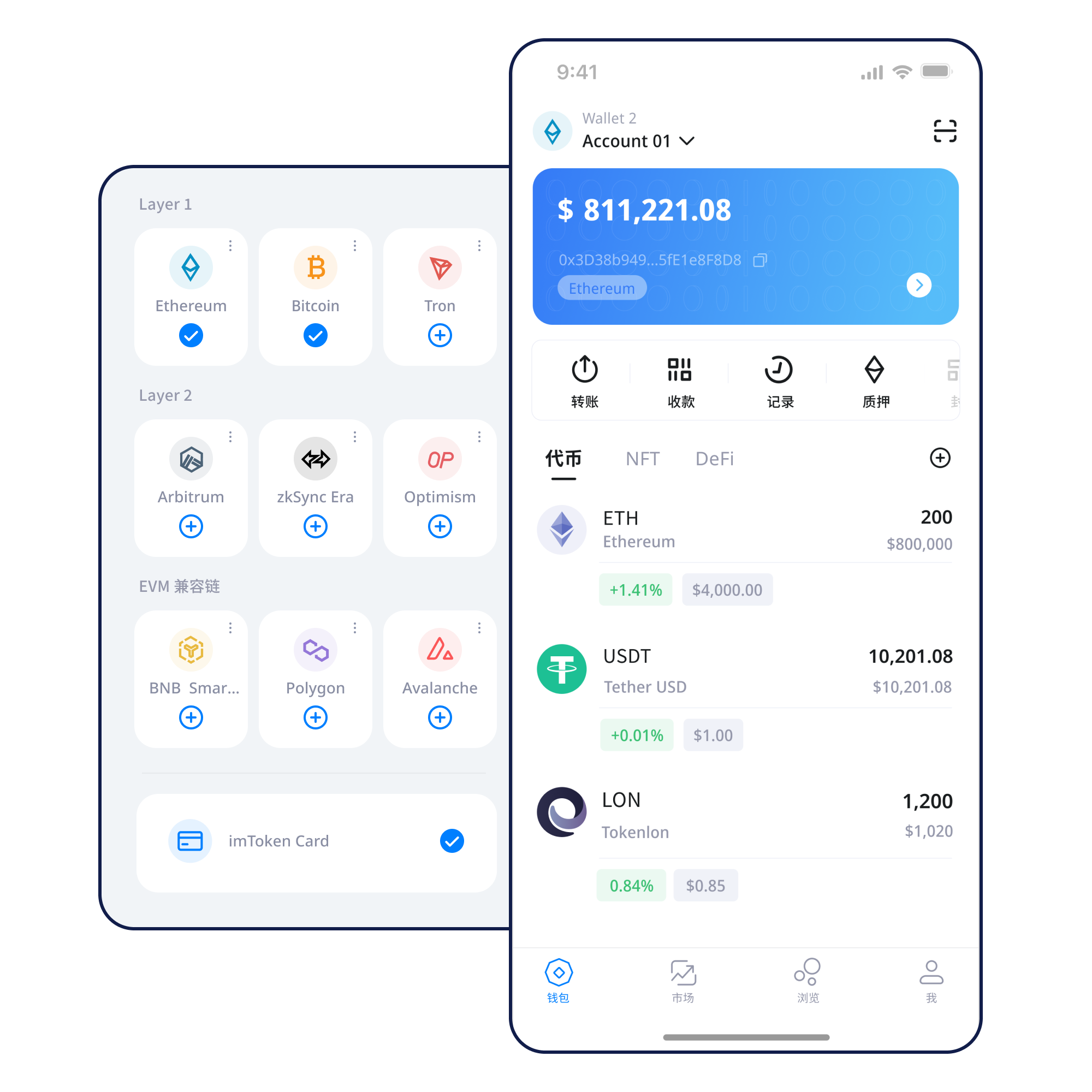
Each task leads to a fuller workflow with security checks.
Understand creation versus import and initialize in a trusted environment.
View guide →Verify the domain and assess connection, signatures and approvals separately.
View guide →
Keep the active network in context when reviewing assets, and distinguish native assets, token contracts and confirmations.
Understand multi-chain →Manage networks, assets and transaction history on mobile while maintaining device and backup security.
A browser connection is not the same as asset permission. Review every signature and approval independently.
Learn about Web use →
Back up seed phrases offline, keep private keys private, review signature targets and remove DApp approvals you no longer need.
Open Security Center →Before acting, confirm the active network, address, native gas asset and transaction target.
Open network guide →Before acting, confirm the active network, address, native gas asset and transaction target.
Open network guide →
Before acting, confirm the active network, address, native gas asset and transaction target.
Open network guide →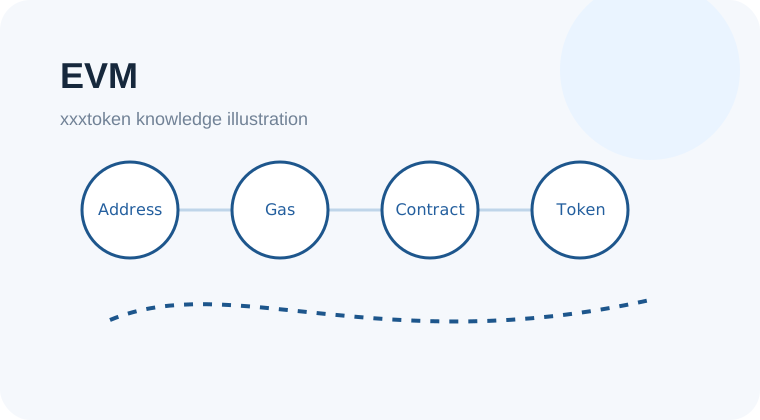
Before acting, confirm the active network, address, native gas asset and transaction target.
Open network guide →
Before acting, confirm the active network, address, native gas asset and transaction target.
Open network guide →Use the single download entry for the product flow.
Initialize in a trusted environment and share no recovery material.
Keep the seed phrase offline; do not screenshot or upload it.
Confirm the network, address format, gas asset and target asset.
Review address, network, amount and fee before sending.
Check the transaction hash and review DApp approvals you no longer need.
Connecting a wallet does not mean every signature request should be approved. Review each signature and approval independently.
Read the full Web3 guide →Seed phrases and private keys remain under the user’s control, and official staff will not ask for them. Never send a seed phrase, private key or verification code to anyone. Check address, network and amount before a transfer; review every DApp signature and approval target; consider revoking permissions you no longer use. Use extra care on public devices, public networks and remote-access environments.
Open Security CenterLearn addresses, seed phrases, private keys, networks, gas, transaction hashes, DApps and approvals in the context of real wallet actions.
Start reading →Concepts, workflow and key checks.
Concepts, workflow and key checks.
Concepts, workflow and key checks.
Concepts, workflow and key checks.
Concepts, workflow and key checks.
Concepts, workflow and key checks.
Understand Ethereum PoS, validators, reward sources, network state, withdrawals and exits. Rewards can change and exits can involve waiting.
Learn Ethereum staking →Review related guidance and checks without relying on unverified dates or market claims.
Review related guidance and checks without relying on unverified dates or market claims.
Review related guidance and checks without relying on unverified dates or market claims.
Review related guidance and checks without relying on unverified dates or market claims.
No. Seed phrases and private keys should remain under the user’s control, and official staff will not ask for them.
Onchain transactions are generally not reversible by a wallet provider. Verify address, network, amount and fee before sending.
Because each network maintains independent state. A shared address format does not make assets portable across networks.
Connection usually establishes account access. Asset impact typically comes from later transaction signatures or token approvals, which should be reviewed separately.
Gas measures the resources used to execute a transaction or contract call; cost depends on network conditions and the operation.
No. Rewards can change, exits can take time, validators can face penalties, and technical and market risks apply.
Use the single download entry for imtoken. Keep seed phrases, private keys and verification codes private before and after installation.